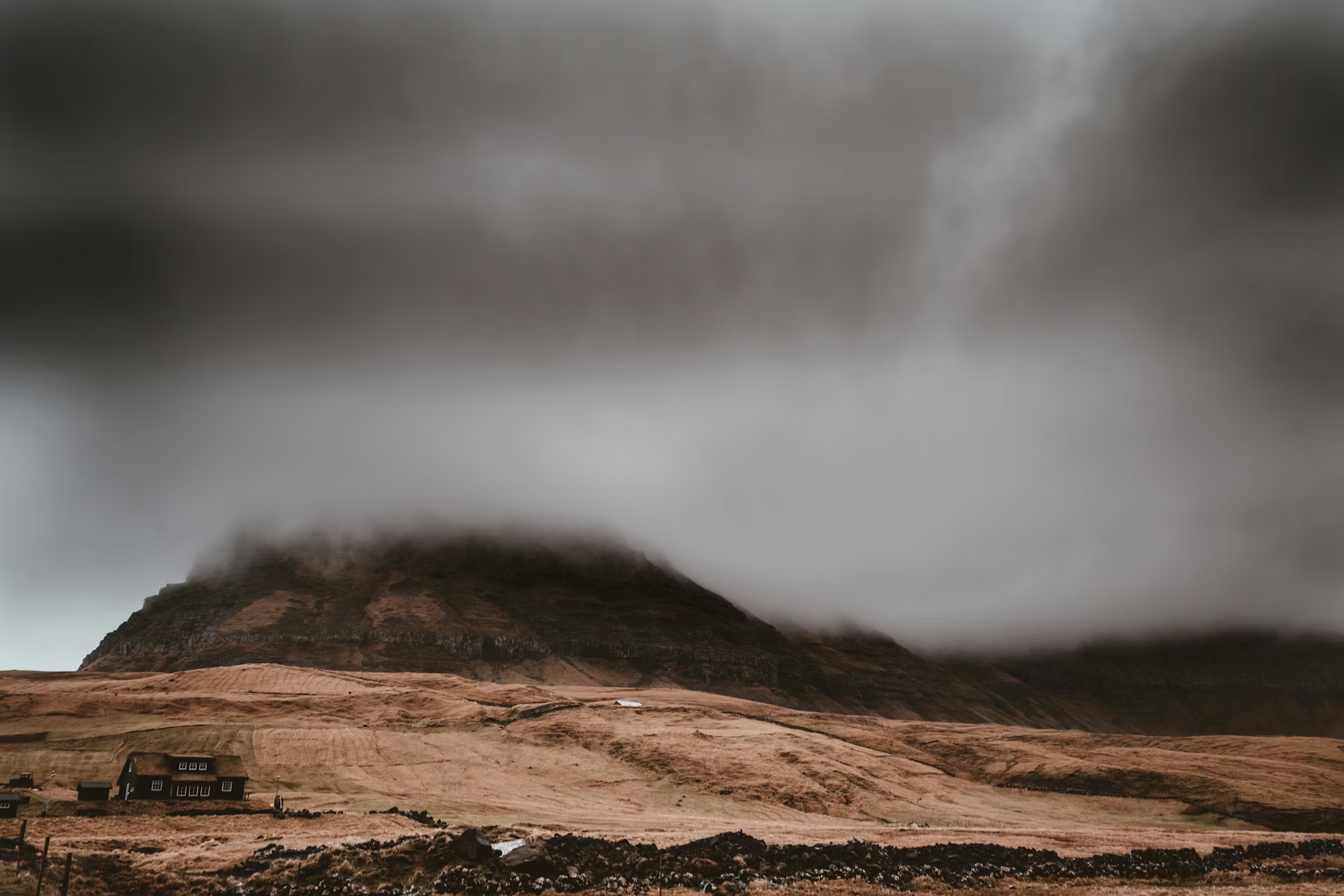
Landscape design is an art that transforms outdoor spaces into functional and aesthetically pleasing environments. With a growing appreciation for nature and outdoor living, homeowners are increasingly investing in their gardens and yards, making landscape design an essential aspect of property value and enjoyment. This article delves into the principles of landscape design, current trends, and tips for creating captivating outdoor spaces that complement any home.
Understanding Landscape Design
Landscape design involves the planning and execution of outdoor areas, including gardens, lawns, pathways, and recreational spaces. A well-designed landscape enhances the beauty of a home while providing a functional environment for relaxation, entertainment, and play. Effective landscape design takes into consideration various elements such as plants, structures, water features, and hardscaping to create a cohesive and harmonious outdoor space.
Key Principles of Landscape Design
1. Unity and Harmony: A successful landscape design integrates all elements to create a unified and harmonious environment. This can be achieved by using complementary colors, textures, and forms that relate to the architecture of the home and the surrounding landscape.
2. Balance: Balance in landscape design refers to the visual weight of elements within a space. Symmetrical balance involves mirroring elements on either side of a central line, while asymmetrical balance uses differing elements to create a sense of equilibrium. Striking the right balance ensures that the landscape feels stable and aesthetically pleasing.
3. Scale and Proportion: The size of plants, structures, and features must be proportionate to the overall space. Selecting the right scale helps ensure that elements do not overpower one another or appear out of place. For example, large trees can dominate a small yard, while petite plants may get lost in a vast garden.
4. Focal Points: A focal point draws the eye and adds interest to a landscape. This can be achieved through the strategic placement of unique plants, sculptures, water features, or outdoor furniture. Focal points create visual hierarchy and guide visitors through the space.
5. Color and Texture: Color plays a vital role in landscape design, as it can evoke emotions and set the mood for outdoor spaces. Using a variety of textures—smooth, rough, shiny, or matte—adds depth and interest, creating an engaging visual experience.
Current Trends in Landscape Design
As society evolves, so do the trends in landscape design. Here are some current trends shaping outdoor spaces:
1. Sustainable Landscaping: With a heightened awareness of environmental issues, sustainable landscaping has gained popularity. Homeowners are opting for native plants that require less water and maintenance, as well as using organic gardening practices. Sustainable design promotes biodiversity and contributes to a healthier ecosystem.
2. Outdoor Living Spaces: The desire to extend indoor living to the outdoors has led to the creation of functional outdoor spaces, such as patios, decks, and outdoor kitchens. These areas are designed for entertaining and relaxation, complete with comfortable seating, fire pits, and cooking facilities.
3. Vertical Gardens: As urban spaces become more compact, vertical gardens are an innovative solution for maximizing greenery. These living walls utilize vertical space to create stunning displays of plants, enhancing air quality and aesthetics while saving ground space.
4. Water Features: Incorporating water features like ponds, fountains, or waterfalls adds tranquility to outdoor spaces. The soothing sound of flowing water creates a calming atmosphere, while visually striking elements can serve as focal points in the landscape.
5. Smart Irrigation Systems: Technology has made its way into landscape design, with smart irrigation systems that optimize water usage. These systems adjust watering schedules based on weather conditions and soil moisture levels, promoting efficiency and sustainability in garden care.
Tips for Designing Your Outdoor Space
Creating an inviting outdoor space requires careful planning and consideration. Here are some tips to help you design a landscape that meets your needs and enhances your property:
1. Assess Your Space: Begin by evaluating your outdoor area. Take note of existing features, such as trees, slopes, and sunlight exposure. Understanding the strengths and limitations of your space will inform your design choices.
2. Define Your Purpose: Determine how you intend to use your outdoor space. Whether you want a tranquil garden, an entertaining area, or a play zone for children, having a clear purpose will guide your design decisions.
3. Choose the Right Plants: Select plants that thrive in your climate and complement your design style. Consider factors such as height, color, and bloom times to create a diverse and dynamic landscape. Incorporating a mix of perennials, annuals, shrubs, and trees can provide year-round interest.
4. Plan for Maintenance: While beautiful landscapes are desirable, they can require significant maintenance. Choose low-maintenance plants and materials if you prefer a more hands-off approach. Incorporate mulch and ground cover to reduce weed growth and moisture loss.
5. Create Pathways: Well-defined pathways not only improve accessibility but also guide visitors through your outdoor space. Use materials such as stone, brick, or gravel to create inviting walkways that connect different areas of your landscape.
6. Incorporate Lighting: Outdoor lighting extends the usability of your space into the evening. Strategically placed lights can highlight features, enhance safety, and create ambiance for nighttime gatherings. Consider using solar-powered lights for an eco-friendly option.
The Role of Landscape Designers
While many homeowners take on landscaping projects themselves, consulting with a professional landscape designer can elevate your outdoor space. Designers bring expertise in aesthetics, functionality, and environmental considerations, ensuring that your landscape meets your needs and enhances your property’s value. They can also provide insights into plant selection, hardscape materials, and overall design strategies.
Conclusion: Embracing the Outdoors
The art of landscape design is about more than just beautifying outdoor spaces; it’s about creating environments that enrich our lives. Thoughtfully designed landscapes provide opportunities for relaxation, socialization, and connection with nature. As we continue to recognize the importance of our outdoor environments, investing in landscape design becomes essential for enhancing the beauty and functionality of our homes.
With sustainable practices, innovative trends, and a focus on personalization, landscape design will continue to evolve. Whether you are creating a tranquil retreat or an engaging space for gatherings, embracing the principles of landscape design can transform your outdoor area into a cherished extension of your home.